Barnet Market traces its origins to a royal charter issued by King John on 23 August 1199, making it one of England's oldest continuously operating markets. Nearly 827 years later, the market still opens every Wednesday and Saturday in Chipping Close, a testament to remarkable endurance through plague, war, economic upheaval, and changing consumer habits.
The Royal Charter and the Abbot of St Albans
The 1199 charter granted the right to hold a market to John de Cella, Abbot of St Albans from 1195 to 1214 and Lord of the Manor of Barnet. The document represents one of the oldest recorded market charters in England, though trade likely existed at the site from the 1100s. The market's very presence shaped the town's identity: "Chipping" in Chipping Barnet derives from the Old English ciping, meaning market town.
A second charter came on 6 February 1588, when Queen Elizabeth I granted rights to Charles Butler, the then Lord of the Manor. This document also authorised the Barnet Horse Fair, which continues today under its original charter on the first Monday in September.
From Cattle Hub to Butcher's Row
During the late Tudor period, Barnet Market controlled the sale of nearly all meat entering London. Butchers travelled up from the capital each Monday to purchase cattle at the market, which had expanded beyond its original location at the junction of Wood Street and the High Street. By the 18th century, market day had shifted to Wednesday.
The market's livestock trade peaked in the early 19th century. In 1834, The Times reported that Barnet Fair was England's largest cattle market, with up to 40,000 animals on display. Cattle travelled from as far afield as Wales to reach the market. The final cattle auction took place in August 1959, ending centuries of livestock trading that had made Barnet synonymous with the London meat trade.
Forced Relocations and Temporary Closures
The market faced its first major crisis in the 1830s, when coaching traffic complained that stalls obstructed the road through Barnet. The bottleneck near St John's Church became known locally as "the squeeze." In 1851, the market relocated to New Road to ease congestion.
A more serious blow came between 1855 and 1866, when the market closed entirely. William Kemp re-established it in 1869 near the Green Man inn, restoring trade to the town. The Poor Man's Market, which operated at Mary Payne's Place, closed during the 1950s.
The Modern Era: From £1 Shops to Artisan Food
By the late 20th century, competition from discount retailers and changing shopping habits threatened the market's survival. The Bone family, synonymous with Barnet Market for generations, began with a vegetable stall in the corner before expanding to fruit and vegetables. Their story reflects the market's gradual evolution from general goods toward specialist food trading.
The most recent disruption occurred in January 2008, when Barnet Market moved to a temporary site on the Stapylton Road car park. The relocation enabled a proposed St Albans Road redevelopment scheme with a new market building. When that scheme failed to progress in 2010, the market returned to its original cleared site rather than remain in temporary accommodation.
The Market Today: 50 Stalls and a Scottish Owner
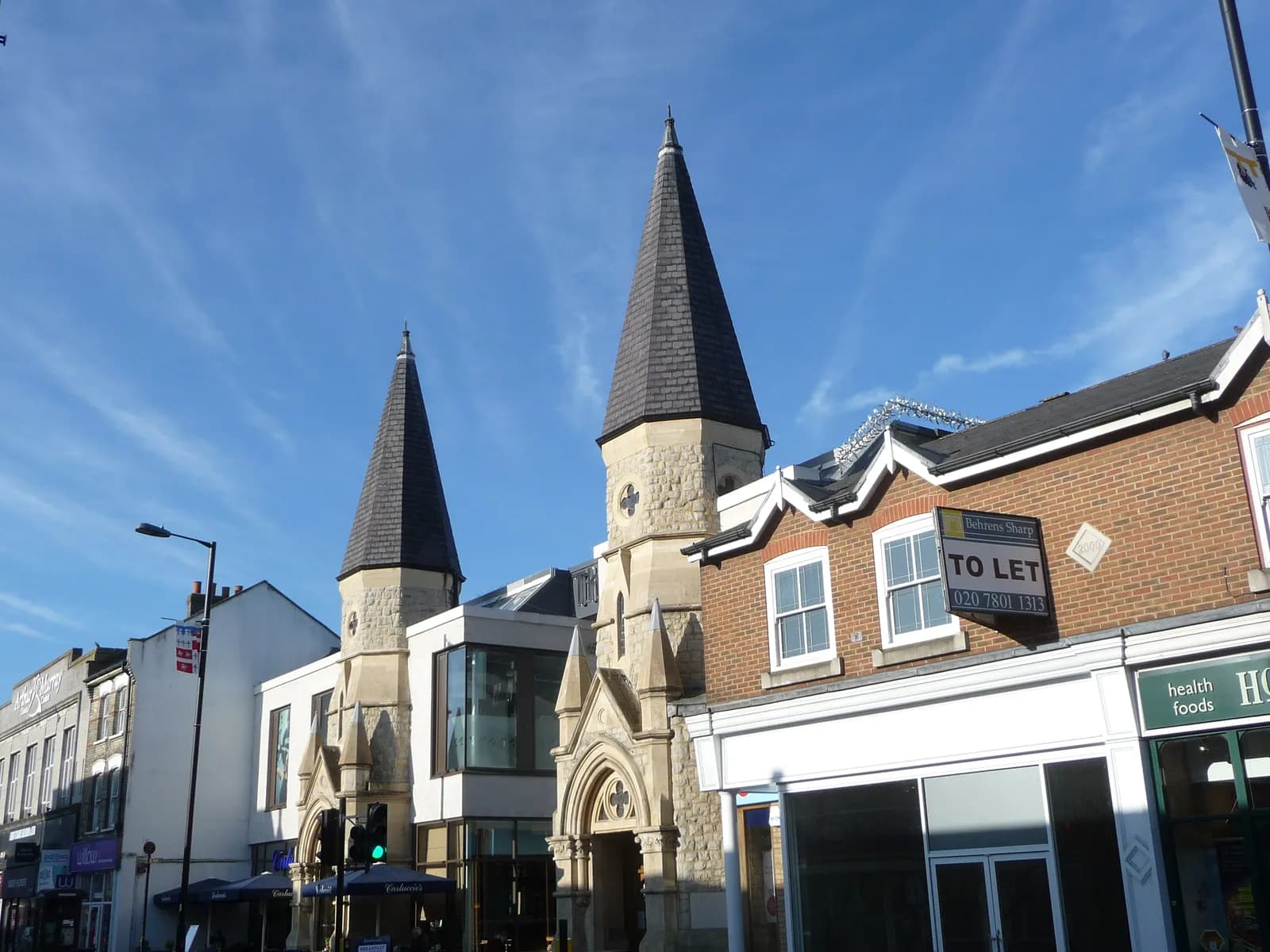
Barnet Market now operates from Chipping Close, Stapylton Road, behind the Spires Shopping Centre and adjacent to Waitrose. The site accommodates approximately 50 stalls selling artisan cheeses, fresh fish, butcher's cuts, baked goods, and garden plants. Barnet Market Ltd manages day-to-day operations.
In an unusual ownership arrangement, Aberdeen City Council purchased the site on 8 April 2019 for £4 million. The Scottish council now holds the freehold of one of England's oldest markets, a quirk of modern property investment that places the historic site under northern ownership.